
Your Essential Wedding Photography Pricing Guide Template: A Comprehensive Breakdown
February 1, 2026 · Budget & Pricing · Wedding Photography

Figuring out how to price your wedding photography can feel like a puzzle. You want to make sure you're paid fairly for your time and talent, but you also need to be competitive. This guide is here to help you put together a solid wedding photography pricing guide template that makes sense for both you and your clients. We'll break down the costs, look at different pricing methods, and talk about how to present your prices with confidence.
Key Takeaways
- Figure out all your business costs, from gear to editing software, and add in your own living expenses to set prices that actually make you money.
- Explore different ways to charge, like by the hour, with set packages, or custom deals, to see what works best for your clients and your business.
- Don't just guess your prices. Look at what other photographers in your area are charging and understand what makes your services special.
- Your pricing guide should be clear and easy for couples to understand. Show them what they get for their money and why it's worth it.
- Pricing isn't set in stone. Keep an eye on what clients say, how often you're booked, and adjust your prices as you get more experienced and the market changes.
Unlocking Your Wedding Photography Pricing Guide Template
So, you're ready to get serious about your wedding photography business. That's awesome! But let's be real, figuring out pricing can feel like trying to solve a Rubik's Cube blindfolded. It's a big deal, and having a solid pricing guide isn't just a nice-to-have; it's your secret weapon. Think of it as your business's roadmap, showing clients exactly what they get and why it's worth every penny.
Why a Stellar Pricing Guide Template is Your Secret Weapon
This isn't just about listing prices. A well-put-together guide shows clients you're professional, organized, and you know your worth. It sets expectations right from the start, cutting down on confusing back-and-forth later. A clear guide builds trust and makes clients feel confident in choosing you. It’s the first real step in showing them the amazing experience they’re going to have.
Navigating the Pricing Maze: What This Guide Uncovers
We're going to break down all the confusing bits. Forget about just throwing numbers around. We'll look at what it actually costs you to run your business, how much your time is really worth (spoiler: it's a lot!), and how to package your services so they make sense for everyone. We'll cover:
- Figuring out your actual costs – the nitty-gritty stuff.
- Understanding different ways to charge, like hourly, flat rates, and packages.
- How to price based on the value you bring, not just your expenses.
- Making your pricing guide look super professional and easy to read.
This whole process is about making your business more profitable and making it easier for clients to understand what they're buying. It's a win-win.
Your Blueprint for Profitable Wedding Photography
By the end of this, you'll have a clear plan. You'll know how to build a pricing guide that not only covers your costs and makes you a good living but also attracts your ideal clients. It’s about creating a system that works for you, so you can focus on what you do best: capturing beautiful wedding memories. Let's get this done!
Decoding Your Costs: The Foundation of Your Pricing
Alright, let's get down to the nitty-gritty of what makes your wedding photography business tick – and more importantly, how to make sure it's actually making you money! Before you even think about fancy packages or what your competitors are charging, you've got to nail down your own expenses. This isn't the fun part, but it's absolutely the most important. Think of it like building a house; you need a solid foundation before you start picking out paint colors.
Calculating Your Cost of Doing Business (CODB)
This is where we figure out exactly how much cash you need to keep the lights on and your business running smoothly. It's not just about the camera gear, oh no. We're talking about everything. This includes all the bits and bobs that go into making your business work, year after year. Knowing your CODB is the bedrock of setting prices that actually let you profit.
Here's a peek at what goes into it:
- Gear & Tech: Cameras, lenses, computers, hard drives, memory cards, software subscriptions – the whole lot. Remember, this stuff wears out or becomes outdated, so you need to factor in replacement costs.
- Operating Expenses: Things like your website hosting, insurance, accounting fees, marketing costs, and even the coffee you drink while editing.
- Taxes: Yep, Uncle Sam (and maybe your state) wants a piece. Don't forget to set aside money for this!
- Your Salary: You're running a business, not a hobby! You need to pay yourself a decent wage for your time and skills.
The True Cost of Your Time: Labor and Beyond
Your time is gold, seriously. But it's not just the hours you spend with a camera in your hand. Think about all the time that goes into making a wedding photography client happy:
- Pre-Wedding: Consultations, planning meetings, scouting locations, creating timelines.
- The Wedding Day: Shooting, of course, but also travel time to and from the venue.
- Post-Wedding: Culling thousands of photos, editing, retouching, delivering the final images, and handling client communication.
Don't forget about potential help! If you hire assistants, second shooters, or editors, their paychecks are a direct labor cost you need to account for. It's easy to underestimate this, but your time and effort are what clients are really paying for.
Essential Expenses to Factor In
Beyond the big categories, there are always those little things that add up. These can be split into two main types:
- Fixed Expenses: These costs stay pretty much the same every month, no matter how many weddings you book. Think of your rent (if you have a studio), loan payments on equipment, or even a set salary you pay yourself.
- Variable Expenses: These costs change depending on the wedding. Did you have to rent a special lens for a specific venue? Did the couple request extra prints that need shipping? Travel costs, accommodation for destination weddings, or specific props all fall into this bucket.
It's super common for new photographers to feel a bit weird about charging what they're worth. You might look at your hourly rate and think, 'Wow, that's way more than I'd make at a regular job!' But here's the thing: a regular job doesn't have the same upfront costs, the constant need for new gear, the marketing hustle, or the risk involved in running your own show. You're not just selling hours; you're selling your skill, your vision, and a whole lot of behind-the-scenes work.
Mastering Photography Pricing Models
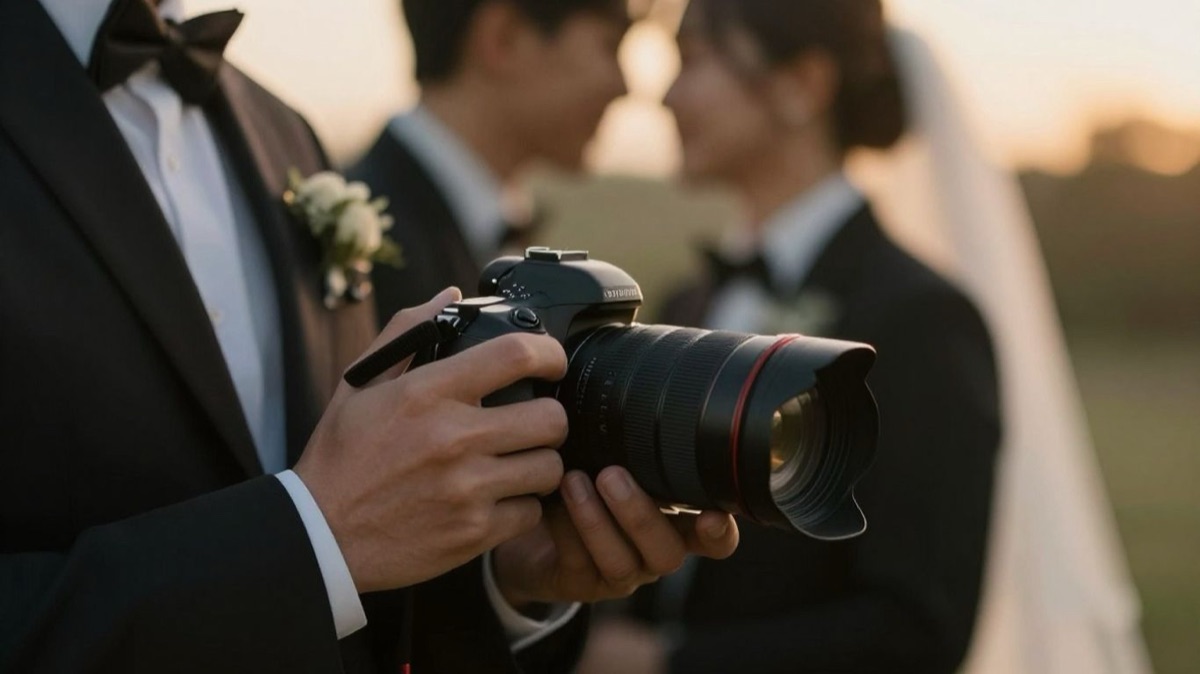
Alright, let's talk about how you actually put a price on all that amazing wedding photography you do. It's not just about pulling numbers out of a hat; there are some solid ways to structure your pricing so it makes sense for you and your clients. Think of these as different flavors of awesome you can offer!
The Power of Hourly Rates: When Time is Money
This is pretty straightforward. You set a rate for every hour you're on the clock. It's great because you're directly compensated for your time, including all the prep and editing that goes into a wedding day. If a wedding runs long or has a lot of moving parts, your earnings naturally go up. It’s a good way to go if you’re just starting out or if you shoot a variety of events with different time commitments.
- Pros: You get paid for every minute you work, including travel and editing. It’s simple to track.
- Cons: Clients might worry about the clock ticking, and it can be hard to estimate the total cost upfront. You also might not get paid for creative thinking that happens outside of shooting hours.
Sometimes, just knowing you're covered for every hour can give you peace of mind. It’s like having a safety net for your time.
Flat Rates: Simplicity for Your Clients
With flat rates, you offer a set price for a specific service or collection of services. This is super appealing to couples because they know exactly what they're paying from the get-go. No surprises! You bundle up your time, talent, and deliverables into one clear price. This works really well for standard wedding packages where the scope is pretty predictable.
- Pros: Clients love the predictability. It makes budgeting easy for them.
- Cons: You've got to be really good at estimating your time and resources. If you underestimate, you could end up working way more than you planned for that price.
Package Deals: Bundling Value for Big Days
This is where you get to be creative! Package deals are like curated collections of your services. You might offer a basic package with a set number of hours and digital photos, then have a premium package that includes an engagement shoot, a second shooter, or a beautiful album. It’s a fantastic way to show clients all the cool stuff you can do for them and often encourages them to spend a bit more because they feel like they're getting a deal.
- Pros: Clients feel like they're getting more bang for their buck. It can also lead to bigger sales for you.
- Cons: You need to make sure the package is priced right so you're still profitable. If you put too much in or price it too low, you might lose money.
It's all about creating a win-win where the couple gets a fantastic wedding photography experience and you get paid fairly for your amazing work.
Value-Based Pricing: Charging What You're Worth
Okay, let's talk about something super important: charging what you're actually worth. It's easy to get stuck thinking only about your costs, but that's just the starting point. Your talent, your unique style, and the amazing experience you give your couples? That's where the real magic happens, and it's what clients are really paying for.
Beyond Costs: Understanding Your Artistic Value
Think about it. You've spent years honing your craft, developing an eye for those perfect moments, and learning how to make people feel comfortable in front of the camera. This isn't something you can just buy off a shelf. Your artistic vision is what makes your work stand out from everyone else's. It's the difference between a snapshot and a memory that will be cherished forever. This unique perspective is a huge part of what makes your photography special and commands a higher price.
Aligning Price with Client Perception
Clients aren't just buying photos; they're buying a feeling, a memory, and a stress-free experience on one of the biggest days of their lives. If your portfolio looks incredibly polished, your communication is top-notch, and you make them feel like a million bucks from the first call, they're going to perceive your services as premium. Your pricing should reflect that high-end experience. It’s about making sure the price tag matches the incredible value and peace of mind you provide.
Showcasing Your Unique Selling Proposition
What makes you, you? Maybe you have a super-fast turnaround time, or perhaps you're a wizard at capturing candid, emotional moments. Maybe your editing style is totally unique, or you offer an incredible planning guide to help couples prepare. Whatever it is, shout it from the rooftops! This is your chance to show clients why you're the best choice, and why your rates are justified. It’s not just about the pictures; it’s about the whole package you bring to their wedding day.
Here’s a quick way to think about it:
- Your Skill Level: Are you a beginner, intermediate, or seasoned pro?
- Your Style: Do you have a signature look that clients specifically seek out?
- Your Reputation: What do past clients say about you? Do you have glowing reviews?
- The Experience: How smooth and enjoyable is the process of working with you?
When you price based on the value you deliver, you attract clients who truly appreciate your art and are willing to invest in it. This leads to happier clients, more fulfilling work, and a more sustainable business for you. Don't be afraid to charge for the incredible talent and dedication you bring to the table.
The Art of Customization: Tailoring Your Offers
Okay, so you've figured out your costs and you're starting to get a feel for what the market is doing. That's awesome! But here's the thing: not every couple is the same, right? They have different dreams, different budgets, and different ideas about what they want captured on their big day. That's where getting creative with your pricing really shines. It’s not just about slapping a number on a service; it’s about building an experience that feels just right for them.
Crafting Bespoke Packages for Every Couple
Think of your packages like a tailor-made suit. You wouldn't offer everyone the exact same size and style, would you? Same idea here. While having a few standard packages is smart (we'll get to that!), the real magic happens when you can tweak and adjust. Maybe a couple wants a little less coverage but really wants a killer engagement shoot. Or perhaps they're having a super intimate elopement and don't need a second shooter, but they do want a beautiful album.
Here’s a quick way to think about building flexibility:
- Core Packages: These are your go-to offers, covering the most common needs. Think 'Essentials', 'Standard', and 'Premium'.
- A La Carte Options: What can couples add on if they want more? Think extra hours, a second shooter, a specific type of album, or even drone footage.
- The 'Build Your Own' Option: For the couple who knows exactly what they want, let them pick and choose from your a la carte list to create their perfect fit.
The goal is to make them feel like you're building their perfect photography plan, not just selling them a pre-made box.
Add-On Options That Delight
This is where you can really boost the perceived value and, let's be honest, your income. Think about what extras would make a wedding day even more special or the memories even more tangible.
- Engagement Sessions: A fantastic way to get couples comfortable in front of the camera before the wedding.
- Second Shooters: Great for larger weddings or when you want to capture different angles simultaneously.
- Photo Albums & Prints: High-quality physical products are always a hit.
- Extended Coverage: For couples who want you there from the very first guest arriving to the last dance.
- Same-Day Edits/Sneak Peeks: A quick turnaround of a few highlight shots can be a huge wow factor.
It’s all about offering things that genuinely add to their experience and the final collection of memories.
Designing Your Dream Wedding Photography Experience
When you customize, you’re not just selling photos; you’re selling peace of mind and a fantastic experience. It starts from the first inquiry. Listen closely to what the couple is saying. What are their priorities? What are they most excited about? What are their worries?
Tailoring your offers shows couples you've really heard them. It makes them feel understood and valued, which is a huge step towards them feeling confident in booking you. It’s about making them feel like you’re the perfect fit for their unique story, not just another vendor on a list.
By offering flexibility and thoughtful add-ons, you create a service that feels personal and special. This approach not only helps couples get exactly what they want but also positions you as a photographer who truly cares about their day.
Market Research: Knowing Your Worth and Your Rivals
Alright, let's talk about getting real with your wedding photography prices. You've figured out your costs, you've thought about your time, but now it's time to look around. What are other photographers in your area doing? This isn't about copying them, but understanding the landscape so you can position yourself just right. Knowing what your competitors charge and how they present themselves is super important.
Spying on Competitors: What to Look For
When you're checking out other photographers, don't just glance at their prices. Dig a little deeper. What kind of packages do they offer? Are they all about hourly rates, or do they bundle things up? Look at their websites and social media. How do they talk about their work? Does their style feel super high-end, or more laid-back? This gives you clues about how they're selling their value.
Here's a quick checklist:
- Pricing Model: Are they using hourly, flat rates, or packages? What's the general price range?
- What's Included: What do their packages actually cover? Hours of coverage, number of photographers, albums, digital files?
- Their Vibe: How do they present themselves online? Does their portfolio look polished and professional? What's their brand messaging?
- Location: Are they in the same town, or a different city with a different cost of living?
Understanding Local Market Demand
Think about who's getting married in your area. Are there a lot of couples looking for budget-friendly options, or are people generally willing to spend more for top-notch service? Your local market demand plays a big role. If you're in a bustling city with lots of weddings, you might have more room to set higher prices than in a smaller town. Also, consider the time of year. Wedding season can get crazy, and sometimes prices can reflect that demand.
Finding Your Niche and Owning It
What makes you you as a wedding photographer? Maybe you have a super unique editing style, or you're amazing at capturing candid moments. Perhaps you offer an incredible client experience from start to finish. These are your selling points! Don't be afraid to highlight what makes you different. If you're the go-to for adventurous elopements or classic, elegant ballroom weddings, lean into that. Your unique style and the experience you provide are worth something, and your pricing should reflect that.
Pricing your services can feel a bit like a guessing game sometimes. But by looking at what others are doing and understanding what makes you special, you can start to feel more confident about what you're charging. It's all about finding that sweet spot where you feel fairly compensated and clients feel like they're getting a great deal for what matters most to them.
Building Your Irresistible Wedding Photography Pricing Guide Template
Essential Sections Your Template Must Include
Alright, let's talk about putting together that killer pricing guide. This isn't just a list of prices; it's your sales pitch on paper (or screen!). You want it to be super clear, look amazing, and make clients feel like they're getting a fantastic deal. So, what absolutely has to be in there?
- Your Story & Style: A quick intro about you and your photography vibe. Why should they pick you?
- Package Breakdown: Clearly list what's included in each package. Think hours of coverage, number of photographers, digital files, albums, engagement shoots, etc.
- A La Carte Options: List any add-ons clients can pick and choose, like extra hours, parent albums, or prints.
- Investment Summary: A clean, easy-to-read table showing the prices for each package and add-on.
- The Next Steps: Tell them exactly what to do if they want to book you.
Designing for Clarity and Appeal
Nobody wants to stare at a wall of text. Your pricing guide needs to be easy on the eyes and even easier to understand. Think about how you present information. A messy guide can make clients feel uneasy about your business.
Here’s a quick look at how to structure your pricing:
| Package Name | Coverage Hours | Photographers | Digital Files | Album Included | Price |
|---|---|---|---|---|---|
| The Essentials | 6 | 1 | Yes | No | $3,000 |
| The Classic | 8 | 2 | Yes | Yes (8x10) | $4,500 |
| The Grand Affair | 10 | 2 | Yes | Yes (10x10) | $6,000 |
Remember to keep your language simple and direct. Avoid confusing industry terms. You want clients to feel confident, not overwhelmed.
Your pricing guide is more than just a price list; it's a reflection of your professionalism and the value you bring to a couple's most important day. Make it shine!
Leveraging Templates for a Professional Look
Don't reinvent the wheel if you don't have to! There are tons of great templates out there that can give your pricing guide a polished, professional look without you needing to be a graphic design wizard. Using a template can save you a ton of time and make sure your guide looks consistent with your brand.
Think about using tools that allow for easy customization. You want to be able to swap out colors, fonts, and add your own logo. Some platforms even let you include sample images from your portfolio right within the guide, which is a fantastic way to show clients what they're getting.
- Look for templates with clean layouts.
- Ensure they are mobile-friendly, as many clients will view them on their phones.
- Choose a template that allows for easy updates as your pricing changes.
The Contractual Cornerstones: Protecting Your Business
Okay, so we've talked about pricing and packages, but let's get real for a second. What happens when things go sideways? You need a solid contract. Think of it as your business's superhero cape – it protects you and your clients.
Key Clauses Every Wedding Photography Contract Needs
This isn't just a formality; it's where you lay out all the important stuff. You want to make sure everyone's on the same page, so there are no surprises later. Here are the must-haves:
- Services Provided: Exactly what are you shooting? How many hours? Will you have a second shooter? Be super clear about the scope of your work.
- Payment Schedule: When are deposits due? When is the final balance? Spell it out so there's no confusion about money.
- Cancellation and Rescheduling: What happens if the couple bails, or if you have to? What about weather issues? Have clear policies for these scenarios.
- Image Rights and Usage: Who owns the copyright? How can the couple use the photos? What about you using them for your portfolio?
- Deliverables and Timeline: When will they get their photos? How will they receive them (online gallery, USB drive)? Set realistic expectations.
Ensuring Legal Robustness and Clarity
Your contract needs to be more than just a list of services. It's a legal document, so it needs to be solid. This means using clear language that anyone can understand. No fancy legal jargon that makes your clients' eyes glaze over.
A well-written contract builds trust. It shows you're professional and serious about your business, and it gives your clients peace of mind that their special day is in good hands.
Think about things like liability. What if your gear breaks down? What if there's an accident? Having clauses that address these situations protects you.
Templates That Simplify Legalities
Look, you don't have to be a lawyer to write a contract. There are tons of great templates out there designed specifically for wedding photographers. Using a template can save you a ton of time and headache. You can find ones that cover all the bases and are easy to customize for each couple.
Here's a quick look at what some templates might cover:
| Clause Category | Details Covered |
|---|---|
| Payment Terms | Deposit amount, final payment date, late fees |
| Service Details | Hours of coverage, locations, second shooter |
| Deliverables | Number of edited images, delivery method, timeline |
| Cancellation Policy | Fees, notice periods, refund conditions |
| Image Rights | Copyright ownership, personal use, commercial use |
| Liability | Gear failure, accidents, unforeseen circumstances |
Presenting Your Pricing with Confidence
Okay, you've done the hard work. You've figured out your costs, decided on your pricing model, and maybe even thrown in some sweet add-ons. Now comes the part where you actually show it all to your potential clients. This isn't just about handing over a number; it's about making them feel good about it, excited even! You want them to see the amazing value you bring, not just the dollar signs.
Educating Clients on Your Value
Think of this as a mini-masterclass for your clients. They might not know what goes into a wedding photography package beyond showing up on the day. It's your job to gently guide them. Explain what's included, why it matters, and how it all adds up to capturing their most important memories. Break down the hours of editing, the travel, the gear, the skill it takes. When clients understand the 'why' behind your price, they're much more likely to feel it's fair and worth it.
Here’s a simple way to frame it:
- Pre-Wedding: Consultations, planning, location scouting, contract work.
- Wedding Day: Coverage time, capturing candid moments, directing group shots, managing the flow.
- Post-Wedding: Culling thousands of images, editing each one for color and light, retouching, creating albums, delivering the final gallery.
Crafting Compelling Proposals
Your proposal is more than just a price list; it's a sales tool. It should reflect your brand and make the client feel special. Use clear, easy-to-read language. Avoid a wall of text. Instead, use visuals if possible (like a clean layout) and highlight the benefits of each package. Think about what makes your service stand out. Is it your unique editing style? Your super-fast turnaround? Your knack for making shy couples feel comfortable?
Here’s a quick look at what a proposal might highlight:
| Feature | Basic Package | Premium Package |
|---|---|---|
| Hours of Coverage | 6 | 10 |
| Second Shooter | No | Yes |
| Engagement Session | No | Yes |
| Online Gallery | 1 Year | Lifetime |
| Custom Album | No | Yes |
Remember, a proposal isn't just about listing services. It's about painting a picture of the incredible experience and lasting memories you'll provide. Make it feel personal and exciting.
Using Your Portfolio to Justify Your Rates
Your portfolio is your visual resume. It's where you show, not just tell, what you can do. When you present your pricing, make sure your portfolio is easily accessible and showcases your best work. If you're charging a premium, your portfolio needs to scream 'premium.' Show variety, show emotion, show technical skill. Let the images speak for themselves and demonstrate the quality and artistry clients are paying for. It’s the best way to connect your price tag to the tangible, beautiful results they’ll receive.
Evolving Your Pricing Strategy Over Time
So, you've got your pricing guide all set up, looking sharp and ready to go. That's awesome! But here's the thing: pricing isn't a 'set it and forget it' kind of deal. The market shifts, your skills get better, and what you charge today might not be the sweet spot next year. Think of it like this: you wouldn't wear the same outfit every single day for years, right? Your business pricing needs a refresh too!
Gathering Client Feedback for Growth
Your clients are your best source of intel. After the wedding, or even after they've received their photos, ask them what they thought about the whole experience, including the pricing. Did they feel they got good value for their money? Were there any surprises? Sometimes, clients might mention that a certain package felt a bit pricey for what was included, or maybe they'd have happily paid more for an extra hour of coverage. This kind of direct feedback is gold.
- Send out a quick survey after delivering the final images.
- Include a question about perceived value versus cost.
- Ask if they felt the pricing was clear and easy to understand.
Don't be afraid to ask the tough questions. Your clients want you to succeed, and honest feedback is a gift that helps you grow.
Monitoring Booking Patterns and Adjusting
Take a peek at your booking calendar. Are you getting swamped with inquiries but not booking many? That could mean your prices are a little too high for the market right now. On the flip side, if you're booked solid months in advance and turning people away constantly, you might be leaving money on the table. It's all about finding that balance where you're busy but not drowning, and your bank account is happy.
Here's a quick way to look at it:
| Scenario | Potential Pricing Implication | Action to Consider |
|---|---|---|
| High inquiries, low bookings | Prices might be too high | Review competitor pricing, consider small adjustments |
| Booked solid, turning people away | Prices might be too low | Gradually increase rates, especially for new bookings |
| Just right - busy but not overwhelmed | Pricing is likely good | Maintain current rates, focus on quality |
Regularly Reviewing and Refining Your Rates
It's a good idea to set a date, maybe once a year, to really sit down and look at your numbers. Check your expenses – did they go up? Look at what other photographers in your area are charging. Have they changed their prices? Also, consider your own growth. You're getting better, faster, and more experienced. Your rates should reflect that! Don't be afraid to increase your prices as your business matures. It's a sign of success, not greed. This ongoing check-in keeps your pricing relevant and profitable.
As your business grows, your pricing should too! It's smart to rethink how you charge for your services over time. Don't let your prices stay stuck in the past. Ready to learn how to adjust your pricing for success? Visit our website today to discover the best strategies for your business!
So, What's the Takeaway?
Alright, we've gone through the nitty-gritty of wedding photography pricing, from figuring out your costs to making sure your contracts are solid. It might seem like a lot, but trust me, getting this right means you can focus on what you do best: capturing amazing memories for couples. Don't be afraid to charge what you're worth – your talent and hard work deserve it! Keep tweaking your prices as you grow, and remember, a happy client and a profitable business go hand-in-hand. Now go out there and book those dream weddings!
Frequently Asked Questions
Why do I need a special pricing guide for wedding photography?
Having a clear pricing guide is super important because it tells couples exactly what they're getting for their money. It makes things easy for them to understand and helps you look professional. Think of it as your business's menu – it shows off your awesome work and what it costs.
How do I figure out how much to charge?
It's like baking a cake! You need to know all your ingredients. First, list all your business costs – like your camera gear, editing software, website, and even your own living expenses. Then, think about how much time you'll spend shooting and editing. All these pieces help you set a fair price that covers your costs and makes you a profit.
What's the difference between hourly rates and packages?
Hourly rates are like paying for time spent, so you get paid for every minute. Packages are like pre-set deals that bundle different services together, often giving couples a bit of a discount for choosing a bigger set of services. Packages can be simpler for clients to pick from.
What is 'value-based pricing'?
This means you charge based on how special and valuable your photography is, not just your costs. If you're an amazing artist with a unique style that couples love, your work is worth more. It's about showing off your talent and what makes you stand out from other photographers.
Can I create custom packages for couples?
Absolutely! Most couples have unique ideas for their wedding. Offering custom packages lets you mix and match services to fit exactly what they want and need. It's a great way to make them feel special and ensure they get the perfect photography experience.
How do I know what other photographers are charging?
Do a little detective work! Look at other wedding photographers' websites in your area. See what kinds of packages they offer and if they share their prices. This helps you understand the going rate and figure out where you fit in the market.
What should I include in my pricing guide template?
Your guide should clearly list your services, what's included in each package (like hours of coverage, number of photos, albums), and any extra options. Make it look good with your branding and easy to read. A well-designed guide makes a great first impression.
How often should I update my prices?
It's a good idea to look at your prices at least once a year. Think about how much your skills have improved, if your costs have changed, and what the market is doing. Listening to what clients say can also give you clues about whether your prices feel right.
Filed under: Budget & Pricing · Wedding Photography