
Capturing Timeless Moments: Your Guide to a Film Wedding Photographer
July 23, 2025 · Wedding Photography
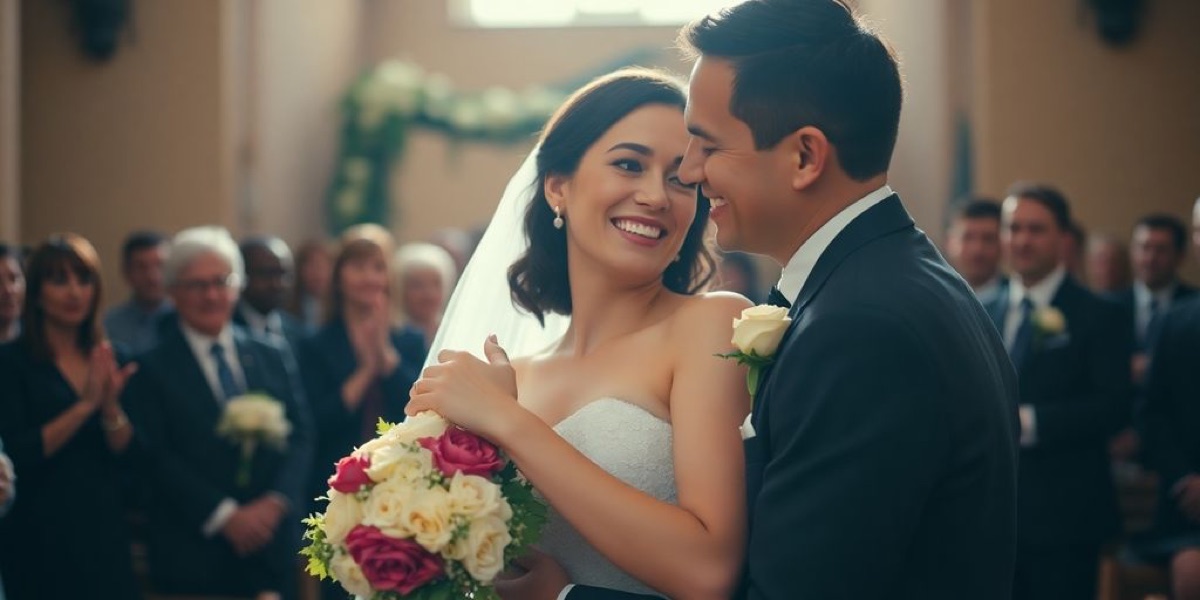
Thinking about your wedding photos and want something a little different? Maybe you've seen those dreamy, soft-focus shots and wondered how they get that look. Well, a lot of that comes down to using film. It's not just about old cameras; it's a whole vibe. If you're curious about how a film wedding photographer can make your day look extra special, you've come to the right place. We'll break down why couples are choosing film and what makes it stand out.
Key Takeaways
- Film wedding photography offers a timeless look with unique grain and color that digital often can't match.
- Couples are choosing film for its nostalgic feel and the deliberate, detail-oriented approach it requires from photographers.
- Film works well for less traditional weddings like elopements or minimalist celebrations, capturing authenticity.
- When choosing a film wedding photographer, look at their portfolio for style and talk to them about your wedding vision.
- The film process involves patience, as developing and scanning take time, but the results are tangible memories.
Understanding the Appeal of Film Wedding Photography
The Timeless Aesthetic of Film
Film photography has this certain something, doesn't it? It’s not just about the look; it’s about the feeling it brings. Think about old family photos, the ones that feel warm and a little bit magical. Film captures that. It has a natural grain and a way of handling light and color that digital often tries to copy but can’t quite nail. This gives wedding photos a classic, almost nostalgic vibe that just doesn't fade. It’s like holding a piece of history, but it’s your history. This inherent quality makes film photos feel more personal and real.
Why Couples Choose Film
Lots of couples are looking for something different for their wedding photos. They want images that feel authentic and have a lasting quality, not just something that looks good on a screen for a year. Film offers that. It’s a deliberate choice for a more artistic and sentimental approach to capturing such a big day. Couples often choose film because they appreciate the craft involved and want their memories preserved in a way that feels tangible and special. It’s about valuing the process as much as the final picture.
The Rise of Analog Charm
It’s interesting how things that were once common are now seen as special. Film photography is definitely having a moment, and it’s more than just a trend. In a world that’s so digital and fast-paced, there’s a real appreciation for the slower, more thoughtful process of analog. Couples are drawn to the unique character film brings – the soft textures, the depth, and even the slight imperfections that make each image unique. It’s a way to add a touch of old-school charm and a sense of genuine craftsmanship to their wedding memories, creating something truly memorable.
Film photography requires a photographer to be more present and intentional with each shot. There's no instant review, so the focus shifts to skill, intuition, and a deep understanding of light and composition. This deliberate approach often results in images that are not only beautiful but also deeply meaningful.
The Unique Advantages of Film for Your Wedding Day
Inherent Timeless Quality
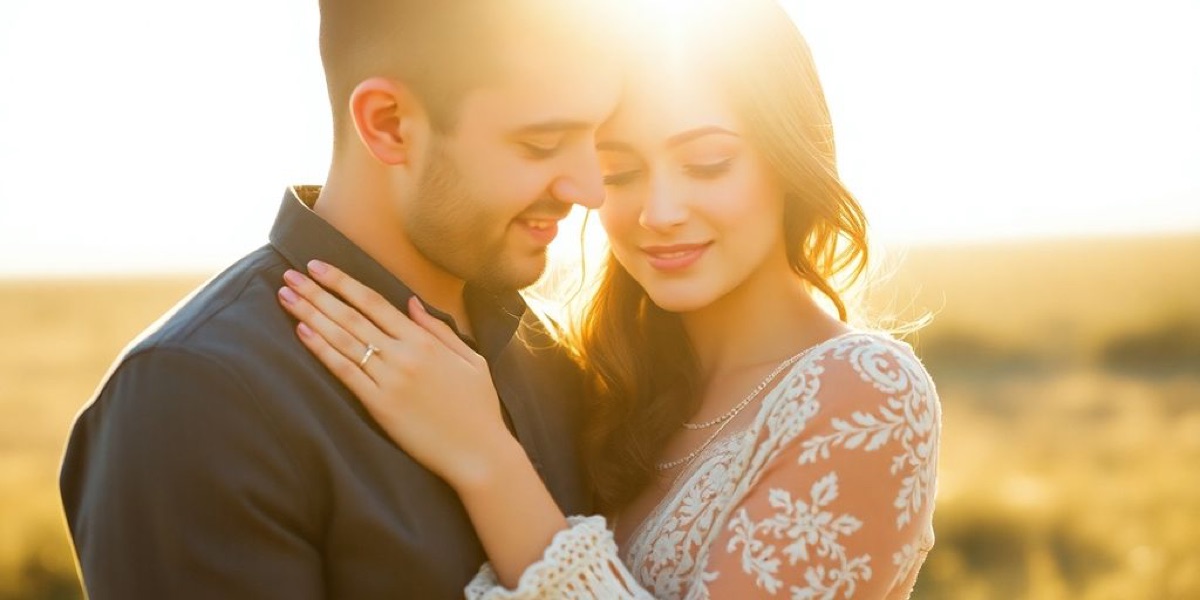
Film photography has this special something that digital often tries to copy but doesn't quite nail. It’s in the grain, the way it handles light and shadow, and the colors. They just feel more real, more there. This gives your wedding photos a lasting quality, making them feel intimate and genuine, like a treasured memory you can hold onto forever. It’s about capturing the feeling of the day, not just the look.
Meticulous Attention to Detail
When you shoot with film, every single shot really counts. You can't just snap away endlessly and hope for the best. This forces photographers to slow down, really look at what they’re doing, and think about the composition. It means they’re paying closer attention to all the little things – the way the light hits a flower, a fleeting expression, the texture of a dress. It’s a more thoughtful process, and you can see that care in the final images.
Distinctive Photographic Characteristics
Different types of film, especially the medium-format stuff, give you really unique looks. You get different color balances, contrast levels, and grain patterns. A good film photographer knows how to pick the right film to match the mood of your wedding and their own artistic style. It’s like choosing the perfect paint for a painting; it adds another layer of character and depth to your wedding photos. This is a big part of why film wedding photography stands out.
Tangible, Cherished Memories
Digital photos are great, but they can sometimes feel a bit… temporary. Film negatives and prints, though? They’re physical things. You can actually hold them, touch them. It creates a different kind of connection to your memories. It feels more substantial, more like a real keepsake from your wedding day that you can pass down. It’s a nice contrast to the digital world we live in.
Film Wedding Photography for Non-Traditional Celebrations
Film photography really shines when it comes to weddings that step outside the usual big ballroom affair. Think courthouse ceremonies, intimate backyard gatherings, or even just a quiet elopement with your closest people. These kinds of celebrations often have a special kind of magic – they’re personal, spontaneous, and full of genuine emotion. Film just seems to capture that vibe perfectly.
Perfect for Intimate Elopements
For elopements, where the focus is purely on the couple and their commitment, film adds a layer of romance and timelessness. The slower pace of shooting with film encourages a more present and observant approach, which is ideal for those quiet, heartfelt moments that often define smaller ceremonies. It’s about capturing the essence, not just documenting every single second. Many couples find that film wedding photography lends a dreamy, almost nostalgic quality to these deeply personal events, making the memories feel even more precious.
Complementing Minimalist Styles
If your wedding leans towards a minimalist aesthetic – clean lines, simple decor, and a focus on natural beauty – film photography is a fantastic match. The way film renders colors and light can be incredibly subtle and elegant. It doesn't overpower the scene; instead, it enhances the understated beauty you’ve carefully curated. Photographers shooting on film often pay close attention to composition and light, which aligns perfectly with a minimalist philosophy where every element has a purpose.
Capturing Spontaneity and Personality
Non-traditional weddings often have a wonderfully unscripted feel. There’s room for laughter, happy tears, and unexpected moments. Film photographers, by nature of the medium, tend to be more deliberate with each shot. This doesn't mean they miss anything; rather, it means they're often anticipating those genuine bursts of personality and emotion. The result is a collection of images that feel authentic and truly represent who you are as a couple, without feeling overly posed or staged. It’s about capturing the real you, in a way that feels natural and unforced.
Choosing Your Ideal Film Wedding Photographer

Reviewing Portfolios for Style
When you're looking for a film wedding photographer, the first thing you'll want to do is really dig into their past work. Don't just glance; spend time looking at full wedding galleries if they have them. See if the way they capture light, the colors they tend to use, and the overall mood of their photos really speaks to you. Does it feel like your wedding day? Look for consistency, but also for a photographer who seems to capture genuine moments, not just posed shots. It's about finding someone whose eye matches your vision for your special day. A photographer's portfolio is their story, so make sure it's a story you want to be a part of.
Consulting on Your Vision
Once you've narrowed down your choices, it's time to talk. Schedule a meeting or a call with your top picks. This is your chance to explain what you're hoping for. Talk about the vibe of your wedding, any specific moments you're excited to capture, and what you love about their film work. Ask them about their process, how they approach shooting with film, and what kind of film stocks they prefer. It’s also a good time to discuss whether you're looking for a photographer and videographer, as some specialize in both. You want to feel comfortable and confident that they understand your unique story and can translate it into beautiful film images. Remember, this is a personal connection, not just a business transaction.
Communicating Your Process
After you've found your photographer, clear communication about the process is key. Film photography has a different timeline than digital. Your photographer will likely explain that shooting with film means a bit more anticipation. They'll shoot, then send the film off to a lab for developing and scanning. This usually takes a few weeks, sometimes longer depending on the lab and the season. It’s good to know this upfront so you’re not wondering where your photos are. They should also be clear about how you'll receive your images – typically, you'll get high-quality digital scans of your film negatives, which you can then print, share, and cherish. Understanding this workflow helps manage expectations and makes the final delivery even more exciting.
The Film Photography Process and Client Experience
Working with a film wedding photographer is a bit different from what you might be used to with digital. It’s a more deliberate process, and understanding it helps set expectations for everyone involved. Think of it like this: instead of snapping hundreds of photos hoping a few turn out great, film photographers are more like artists carefully choosing each brushstroke. This means a lot of thought goes into every single shot.
Patience and Anticipation in Shooting
When your photographer is shooting with film, they’re not just clicking away. Each roll of film has a limited number of shots, usually around 24 or 36. This really makes them think about composition, lighting, and the moment itself before pressing the shutter. It’s about making every frame count. This careful approach means they’re really focused on capturing the essence of your day, not just documenting it. You’ll notice a calm, intentional energy around them as they work, always looking for that perfect light and genuine emotion. It’s a slower pace, but it’s all about quality over quantity.
Understanding Turnaround Times
Because film needs to be sent off for developing and scanning, the turnaround time is naturally longer than with digital. While digital photos might be ready in a few weeks, film can take anywhere from 4 to 10 weeks, sometimes even longer depending on the lab and the photographer’s workflow. It’s important to communicate this upfront with your clients. This waiting period can actually build excitement, making the final delivery of those beautiful, tangible memories even more special. It’s a different kind of anticipation, a good one!
Receiving Digital Scans
Once the film is developed, it’s then scanned into high-resolution digital files. These scans are what you’ll typically receive. The quality of the scan makes a big difference in how the final images look. Good labs use professional equipment to get the best possible digital version of your film. You’ll get these digital files, which you can then use for printing, sharing online, or creating albums. It’s the best of both worlds – the unique look of film with the convenience of digital files. It’s a process that values the craft, resulting in images that feel truly special and are meant to be treasured.
Mastering Film Wedding Photography Techniques
Shooting with film for weddings is a whole different ballgame than digital, and honestly, it takes some getting used to. It’s not just about pointing and clicking; you really have to think about what you’re doing.
Advantages of Shooting with Film
- Unique Look: Film just has this look, you know? The grain, the way it handles colors and light – it’s different. Digital can try to copy it, but it’s not quite the same. It gives photos a really soft, almost dreamy feel that couples often love.
- Dynamic Range: Film, especially certain types, can capture a really wide range of light and shadow in one shot. This means you get detail in both the bright sky and the darker areas of a dress, which is super helpful at weddings where the lighting can change fast.
- Tangible Negatives: You actually get physical negatives at the end of it all. It feels more real, more like a keepsake. Couples can hold onto these, and they have a certain weight to them that digital files just don't.
Challenges of Film Photography
- Cost: Let’s be real, film isn’t cheap. You’ve got the film itself, then developing, and scanning. It adds up way faster than just hitting ‘save’ on a digital file. So, you really have to make every shot count.
- Limited Shots: Most film cameras have a limited number of shots per roll, usually 24 or 36. This means you can’t just spray and pray like with digital. You have to be deliberate, think about your composition, and be ready for those split-second moments because you don’t get a do-over on that roll.
- Turnaround Time: Unlike digital where you can see photos right away, film needs to be developed and scanned. This takes time. So, couples have to wait longer to see their wedding photos, which can be tough when they’re excited.
- Technical Skill: You need to know your stuff. Metering light, understanding exposure, and how different films react to light – it’s all manual. There’s no auto-pilot here, so you better be confident with your camera settings. Wedding videography preparation is also important.
Film photography forces a slower, more intentional approach. It makes you pause, observe, and truly consider each frame before pressing the shutter. This deliberate pace often leads to more thoughtful and impactful images, capturing the essence of the moment rather than just the event itself.
Selecting the Right Film Stock
Choosing the right film stock is like picking the right paint for an artist. Different films have different looks, and knowing what you want is key.
- Color Negative Film: This is probably the most common for weddings. Films like Kodak Portra 400 or Fuji Pro 400H are popular because they have great color rendition, handle skin tones beautifully, and have a good amount of grain that looks pleasing. Portra 400 is known for its soft, warm tones, while Fuji Pro 400H often gives a cooler, more muted look.
- Black and White Film: For a classic, dramatic feel, black and white film is fantastic. Films like Ilford HP5 Plus or Kodak Tri-X 400 offer beautiful contrast and rich tones. They can really make the emotions of the day stand out without the distraction of color.
- Pushing/Pulling Film: Sometimes, you need to shoot in tricky lighting. You can 'push' film (overexpose during shooting and develop for longer) or 'pull' it (underexpose and develop for shorter). Pushing can add more grain and contrast, while pulling can reduce contrast. It’s a way to adapt film to different situations, but it does change the look of the film.
Wrapping Up Your Film Wedding Photography Journey
So, we've talked a lot about why film photography is so special for weddings. It's got this look that just feels different, you know? Like it really captures the mood and the real feelings of the day. It makes you slow down and really think about each shot. If you're thinking about using film for your wedding photos, it's a great choice if you like that classic, maybe a little bit dreamy, vibe. It’s a way to make your wedding memories feel extra special and last a really long time. It’s a bit of an art, for sure, but the results can be pretty amazing.
Frequently Asked Questions
Is film photography good for all kinds of weddings?
Film photography can work for almost any wedding! Whether it's a big party or a small, quiet ceremony, film can capture it beautifully. It really depends on what the photographer and couple want the pictures to look and feel like. Sometimes, using both film and digital cameras is a great way to get the best of both worlds.
How do I pick the right film photographer for my wedding?
To find the best film photographer for your wedding, look at their past work. See if their style matches what you like. Talk to them about your ideas for the day and make sure they understand what you're hoping for. A good photographer will be excited to hear your thoughts!
How long will it take to get my film wedding photos?
Because film needs to be developed and scanned, it usually takes a few weeks to get your photos back. This waiting time can actually make it more exciting to see the final pictures, especially since film photos have a special look that's worth the anticipation.
Can film photographers give me digital copies of the pictures?
Yes, most film photographers can give you digital copies of your photos. They scan the film negatives to create high-quality digital files that you can easily share online or print.
What makes film photos look so special?
Film photos have a unique look, with a special kind of grain and color that feels classic and warm. This look is hard to copy with digital cameras. It gives photos a timeless feel that many people love for wedding pictures.
Why are film photos considered tangible memories?
Film pictures are real objects, like negatives and prints, that you can hold. This makes them feel more special and lasting than digital files that just exist on a computer. Holding a film print can create a stronger connection to the memories.
Filed under: Wedding Photography